
Circular Economy in Printing: What Can Actually Be Reused, Recycled, or Repurposed?

The circular economy is often talked about as a big, ambitious idea — but when it comes to printing, many businesses are unsure what it actually means in practice.
Is everything recyclable?
Can printed materials really be reused?
And where does responsibility realistically begin and end?
In an industry traditionally associated with single-use outputs, the shift towards circular thinking requires more than good intentions. It requires clarity, smarter design decisions, and honest conversations about what actually works.
Understanding the Circular Economy in Printing
At its core, the circular economy is about extending the life of materials and reducing waste — keeping resources in use for as long as possible rather than discarding them after one use.
In printing, this means moving away from the idea that printed materials are automatically disposable, and instead asking:
- Can this be reused?
- Can this be repurposed?
- Can it be designed differently to reduce waste?
The reality is: not everything can be recycled or reused — but many things can, if planned properly.
What Can Be Reused?
Reuse is the most effective circular strategy because it requires no additional processing.
In printing, reusable items often include:
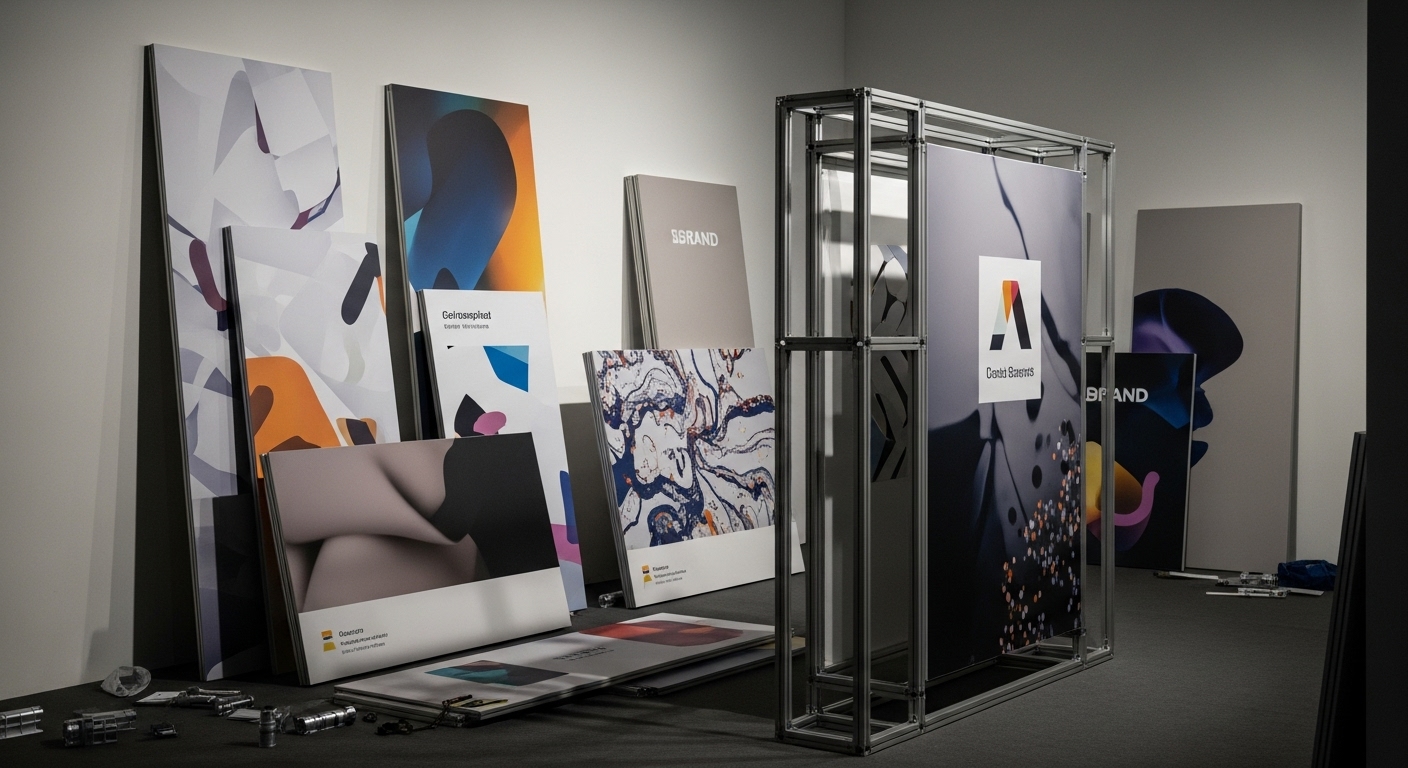
- Display structures and frames
Designed modularly, they can support new visuals without rebuilding from scratch. - Exhibition panels and boards
When content is separated from structure, only the graphics need replacing. - Retail fixtures and point-of-sale elements
Durable builds allow brands to refresh messaging while keeping the core unit.
The key factor is design intent. Reuse rarely happens by accident — it happens when materials and structures are planned with future use in mind.
What Can Be Recycled — With Limitations
Recycling is often assumed to be the default solution, but in printing, it comes with constraints.
Some materials can be recycled:
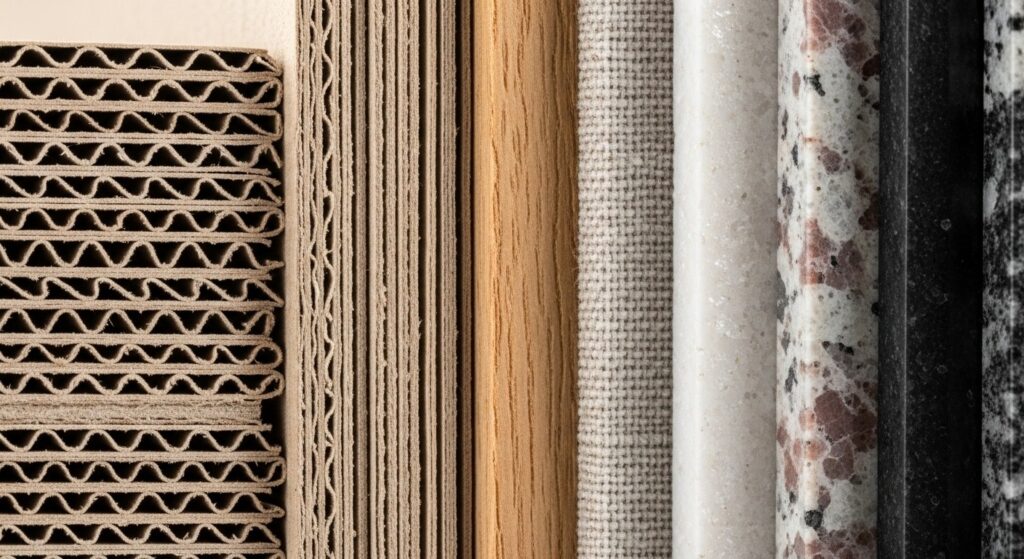
- Certain paper-based boards
- Cardboard structures without heavy lamination
- Single-material substrates
However, recycling becomes difficult when:
- Multiple materials are bonded together
- Heavy coatings, adhesives, or mixed plastics are used
- Items are contaminated during use
This is why “recyclable” on paper does not always translate to recycled in reality.
Design choices at the beginning determine whether recycling is genuinely possible at the end.
Repurposing: Giving Print a Second Life
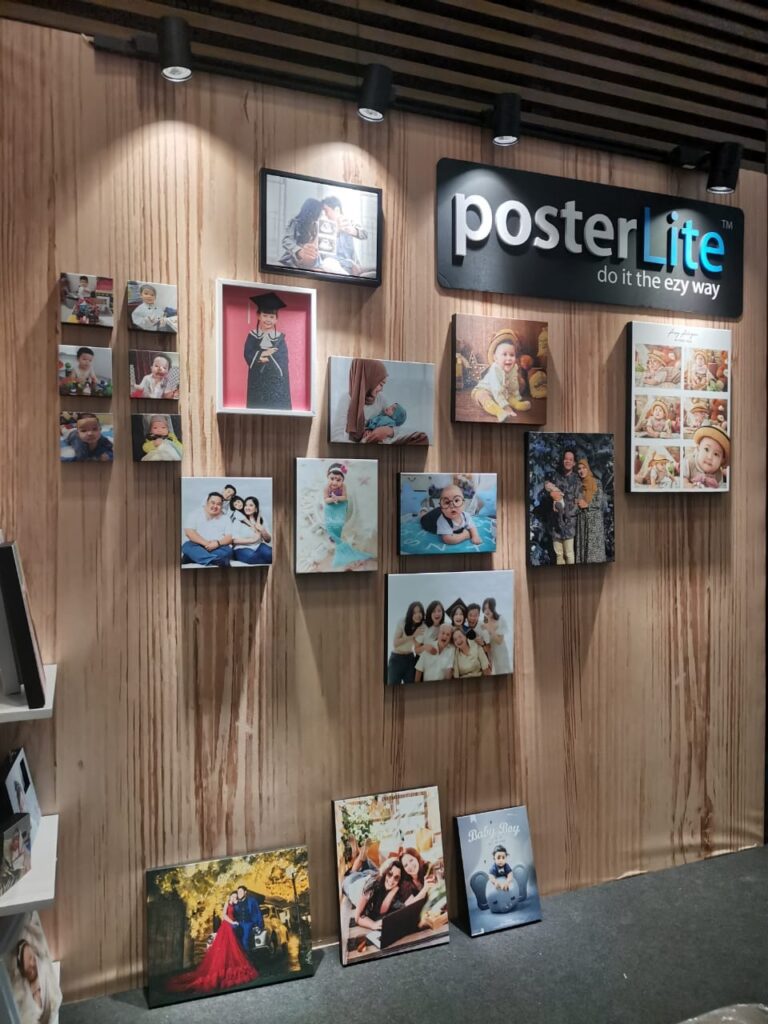
Repurposing sits between reuse and recycling — transforming printed materials into something new, rather than discarding them.
Examples include:
- Turning printed boards into educational displays
- Reworking panels into art, installations, or awareness pieces
- Converting surplus materials into functional or creative products
Repurposing is especially effective for event and campaign materials, where visual lifespan may be short, but material durability remains high.
This approach not only reduces waste but also adds narrative value — extending the story beyond the original campaign.
Common Misconceptions About Circular Printing
“Eco-friendly means everything can be recycled.”
Not true. Circularity depends on material choices and construction methods.
“Short-term campaigns can’t be circular.”
They can — with modular design and repurposing in mind.
“Circular printing costs more.”
In many cases, designing for reuse reduces long-term costs by eliminating rebuilds.
Understanding these realities helps brands move from assumptions to informed decisions.
Designing for Circularity Starts Early
The most important takeaway is this:
Circular outcomes are decided before printing begins.
Key questions to ask early:
- Will this be used once or multiple times?
- Can content be separated from structure?
- What happens to this after the campaign ends?
When these questions are part of the planning process, circular economy principles become achievable — not aspirational.
Rethinking Responsibility in Printing
Circular economy in printing isn’t about perfection. It’s about progress.
Not every item can be reused or recycled — and that’s okay. What matters is making informed choices, reducing unnecessary waste, and designing with intention.
For brands, this shift represents a move from one-off production to long-term value creation — where printing supports sustainability goals rather than contradicting them.
Thinking Beyond Printing
Circular economy thinking challenges the way we traditionally view print — not as a disposable output, but as a resource with ongoing value.
By rethinking how materials are designed, used, and reimagined, printing can play a meaningful role in a more responsible and sustainable future.
Because the impact of printing doesn’t end when a campaign does — and neither should the conversation.