


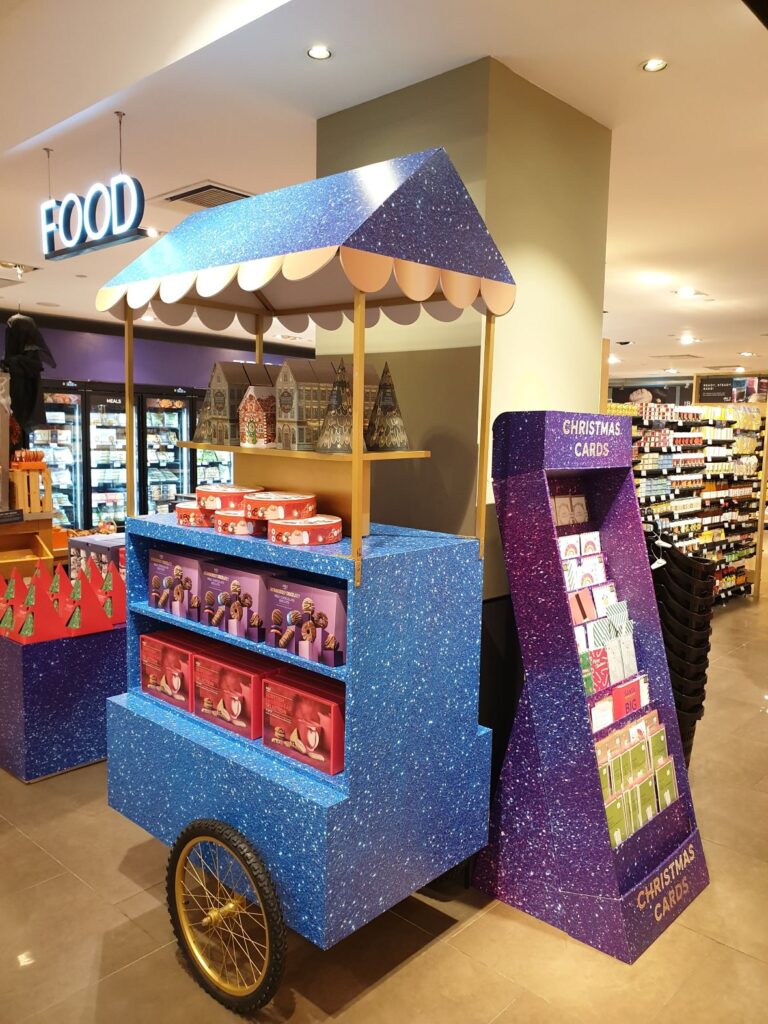
Why Great Retail Displays Don’t Happen by Chance
A successful retail display may look effortless to shoppers, but behind every eye-catching window display, promotional fixture or in-store activation is a carefully planned process.

Beyond the Booth: What Happens After an Exhibition Ends?
Exhibitions and retail campaigns are designed to capture attention, launch products and create memorable brand experiences. Visitors admire the creative displays, interact with products and walk away with lasting impressions.

The Return of Physical Experiences: Why Brands Are Investing More in Retail Displays and Event Spaces
KB Colour is proud to be recognised as part of the first batch of SMEs under the ASEAN Circular Economy Certified (CEC) program. This milestone marks a significant step forward in our ongoing journey towards more responsible and sustainable practices in the printing industry.

Designing for Reuse: How Printing Decisions Shape What Happens After an Event
KB Colour is proud to be recognised as part of the first batch of SMEs under the ASEAN Circular Economy Certified (CEC) program. This milestone marks a significant step forward in our ongoing journey towards more responsible and sustainable practices in the printing industry.

UCSI x OPPO International Women’s Day 2026
On 5 March 2026, KB Colour proudly supported the UCSI x OPPO International Women’s Day 2026 — “Give to Gain”, a celebration that brought together creativity, innovation, and women’s empowerment in a meaningful and engaging way.

KB @ WE 2025
WE 2025 brought together industry players, creatives, and organisations with a shared focus on sustainability, innovation, and future-ready thinking. The event served as a platform for meaningful conversations around responsible design and long-term impact.
Why Great Retail Displays Don’t Happen by Chance
A successful retail display may look effortless to shoppers, but behind every eye-catching window display, promotional fixture or in-store activation is a carefully planned process.


Premium Printing Without Compromise: High-Quality Inks and Sustainable Practices
In the world of printing, businesses often face a tough question: Can we achieve premium quality while still being environmentally responsible? The traditional mindset says no — that sustainability requires compromise