

Why Great Retail Displays Don’t Happen by Chance
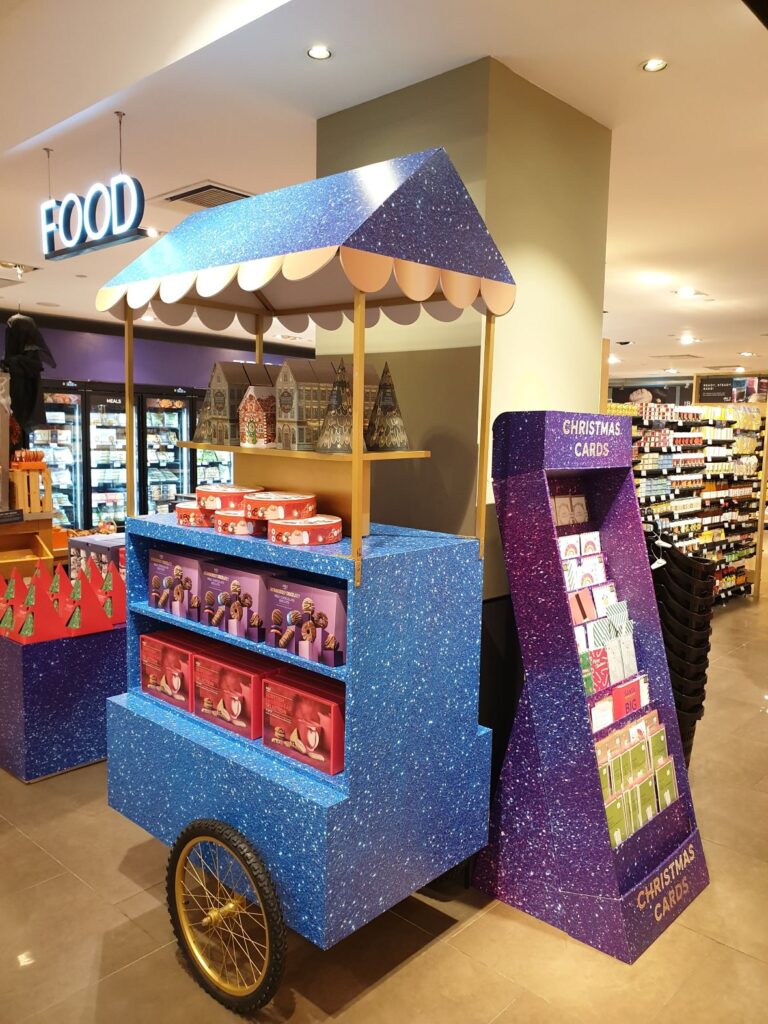
A successful retail display may look effortless to shoppers, but behind every eye-catching window display, promotional fixture or in-store activation is a carefully planned process.

Beyond the Booth: What Happens After an Exhibition Ends?
Exhibitions and retail campaigns are designed to capture attention, launch products and create memorable brand experiences. Visitors admire the creative displays, interact with products and walk away with lasting impressions.

The Return of Physical Experiences: Why Brands Are Investing More in Retail Displays and Event Spaces
KB Colour is proud to be recognised as part of the first batch of SMEs under the ASEAN Circular Economy Certified (CEC) program. This milestone marks a significant step forward in our ongoing journey towards more responsible and sustainable practices in the printing industry.

Designing for Reuse: How Printing Decisions Shape What Happens After an Event
KB Colour is proud to be recognised as part of the first batch of SMEs under the ASEAN Circular Economy Certified (CEC) program. This milestone marks a significant step forward in our ongoing journey towards more responsible and sustainable practices in the printing industry.

UCSI x OPPO International Women’s Day 2026
On 5 March 2026, KB Colour proudly supported the UCSI x OPPO International Women’s Day 2026 — “Give to Gain”, a celebration that brought together creativity, innovation, and women’s empowerment in a meaningful and engaging way.

KB @ WE 2025
WE 2025 brought together industry players, creatives, and organisations with a shared focus on sustainability, innovation, and future-ready thinking. The event served as a platform for meaningful conversations around responsible design and long-term impact.
Why Great Retail Displays Don’t Happen by Chance
A successful retail display may look effortless to shoppers, but behind every eye-catching window display, promotional fixture or in-store activation is a carefully planned process.


The Return of Physical Experiences: Why Brands Are Investing More in Retail Displays and Event Spaces
KB Colour is proud to be recognised as part of the first batch of SMEs under the ASEAN Circular Economy Certified (CEC) program. This milestone marks a significant step forward in our ongoing journey towards more responsible and sustainable practices in the printing industry.

Designing for Reuse: How Printing Decisions Shape What Happens After an Event
KB Colour is proud to be recognised as part of the first batch of SMEs under the ASEAN Circular Economy Certified (CEC) program. This milestone marks a significant step forward in our ongoing journey towards more responsible and sustainable practices in the printing industry.

From Print to Purpose: KB Colour Recognised Under ASEAN Circular Economy Certification
KB Colour is proud to be recognised as part of the first batch of SMEs under the ASEAN Circular Economy Certified (CEC) program. This milestone marks a significant step forward in our ongoing journey towards more responsible and sustainable practices in the printing industry.

UCSI x OPPO International Women’s Day 2026
On 5 March 2026, KB Colour proudly supported the UCSI x OPPO International Women’s Day 2026 — “Give to Gain”, a celebration that brought together creativity, innovation, and women’s empowerment in a meaningful and engaging way.

KB @ WE 2025
WE 2025 brought together industry players, creatives, and organisations with a shared focus on sustainability, innovation, and future-ready thinking. The event served as a platform for meaningful conversations around responsible design and long-term impact.

Circular Economy in Printing
The circular economy is often talked about as a big, ambitious idea — but when it comes to printing, many businesses are unsure what it actually means in practice.
Is everything recyclable?
Can printed materials really be reused?
And where does responsibility realistically begin and end?

Sustainability vs ESG: What’s the Difference?
Sustainability and ESG are often used interchangeably—but they are not the same.
Understanding the difference helps businesses make more responsible decisions and choose partners that align with long-term values and accountability.

Environmental Responsibility in Printing: How to Choose the Right Partner
Sustainability is no longer just a trend — it’s a necessity. As climate concerns grow and consumer expectations rise, companies are under increasing pressure to ensure that every part of their supply chain reflects environmental responsibility.

Solar-Powered Printing: A Greener Way to Create Premium Designs
The printing industry has always been energy-intensive. Traditional facilities consume large amounts of electricity to power presses, lighting, and climate control — all of which contribute significantly to carbon emissions.

Why Authenticity Matters in Printing: Beyond Just Paper and Ink
In an age where brands are under constant scrutiny, authenticity has become one of the most valuable currencies in business. Customers today want to know not only what they are buying but also how it was made and who stands behind it.